
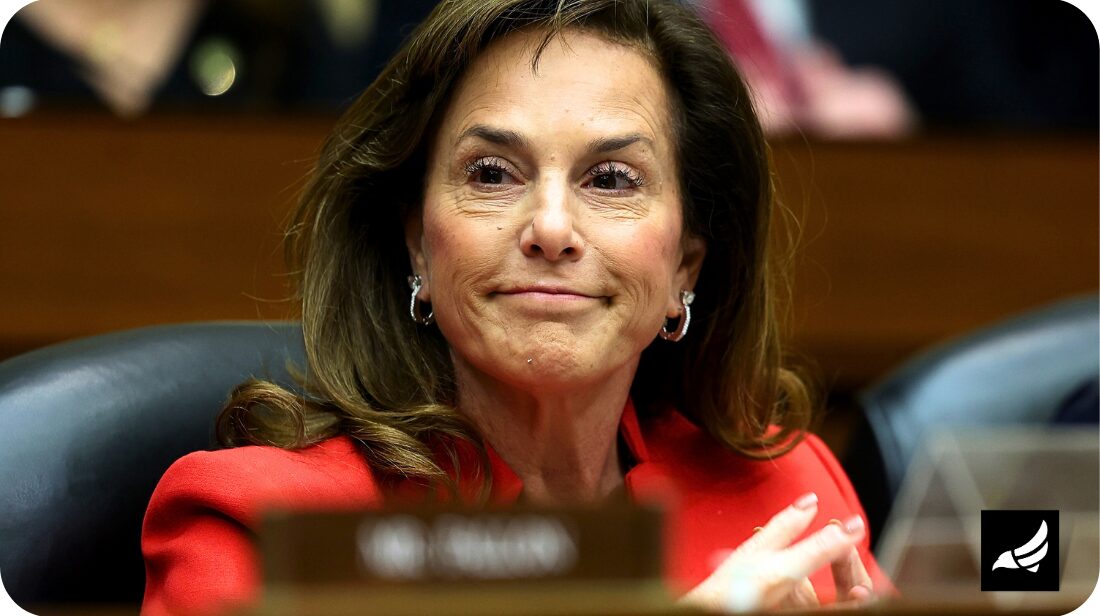
A Congresswoman Now Introduces Bill To End FINRA

On April 10, 2025, Congresswoman Lisa McClain (R-MI) introduced a groundbreaking piece of legislation aimed at dismantling the Financial Industry Regulatory Authority (FINRA), a self-regulatory organization (SRO) that has long overseen the securities industry.
Titled the Restoring Accountability in Market Supervision (RAMS) Act, the bill seeks to transfer FINRA’s rulemaking, examination, and enforcement powers to the Securities and Exchange Commission (SEC), a move that could reshape the landscape of financial regulation in the United States.
This development has sparked significant attention, particularly among retail investors who have grown increasingly vocal about FINRA’s perceived shortcomings and conflicts of interest.
The introduction of the RAMS Act comes at a time when FINRA’s authority and transparency have been under intense scrutiny, especially from retail investors who feel marginalized by the organization’s actions.
From controversial trading halts to allegations of cozy relationships with Wall Street insiders, FINRA’s track record has fueled distrust among everyday investors.
This article explores the details of McClain’s bill, the reasons behind the push to end FINRA’s reign, and why retail investors—particularly those affected by the infamous MMTLP halt—are rallying behind this legislative effort.
The RAMS Act: A Bold Move To Reform Financial Oversight
The Restoring Accountability in Market Supervision (RAMS) Act is a direct challenge to FINRA’s decades-long dominance as the primary self-regulatory body for broker-dealers and securities firms.
According to McClain’s press release, the bill aims to eliminate FINRA’s autonomy by transferring its core functions—rulemaking, examinations, and enforcement—to the SEC.
The stated goal is to enhance transparency, accountability, and fairness in the regulation of financial markets.
McClain argues that FINRA, as a private organization funded by the industry it regulates, operates with insufficient oversight and has drifted from its mission to protect investors.
“The current self-regulatory model is outdated and ripe for abuse,” McClain stated.
“By transferring FINRA’s authority to the SEC, we can ensure that regulatory decisions prioritize the American people over industry insiders.”
The RAMS Act addresses several key concerns:
- Transparency: FINRA’s internal processes, including disciplinary actions and rule changes, are often opaque, leaving investors and even some industry participants in the dark.
- Accountability: As a non-governmental entity, FINRA is not subject to the same checks and balances as federal agencies like the SEC.
- Conflicts of Interest: Critics argue that FINRA’s funding model—relying on fees from the firms it oversees—creates incentives to favor industry players over retail investors.
If passed, the RAMS Act would mark a seismic shift in how the securities industry is regulated, placing greater authority in the hands of a public agency accountable to Congress and taxpayers.
For retail investors, this represents a potential victory in their long-standing battle against what they see as a rigged system.
Why Retail Investors Are Cheering the End of FINRA
Retail investors, empowered by social media platforms and online communities, have become a powerful force in exposing perceived injustices in the financial system.
Over the past few years, FINRA has emerged as a frequent target of their ire, with many accusing the organization of prioritizing Wall Street’s interests over those of everyday traders.
The introduction of the RAMS Act has galvanized these investors, who see it as a step toward dismantling a system they believe is fundamentally compromised.
The MMTLP Debacle: A Flashpoint for Distrust

One of the most glaring examples of FINRA’s controversial actions is the case of Meta Materials Preferred Shares (MMTLP), a stock that became a lightning rod for retail investor outrage.
In December 2022, FINRA imposed a U3 halt on MMTLP, effectively freezing trading without prior warning.
The halt was attributed to “settlement concerns” related to the stock’s impending delisting, as Meta Materials planned to spin off its oil and gas assets into a private entity.
However, what followed left thousands of retail investors reeling.
After the halt, MMTLP was delisted, leaving shareholders unable to sell their positions or recover their investments.
Many investors, who had poured their savings into the stock based on its potential, found their entire holdings frozen indefinitely.
To make matters worse, FINRA and the SEC provided little clarity on the situation, refusing to release an audited share count or detailed explanations for the halt.
This lack of transparency fueled speculation about market manipulation, naked short selling, and other irregularities.
For MMTLP investors, the episode was a betrayal of trust.
They argue that FINRA’s actions protected large financial institutions—potentially those with short positions—at the expense of retail shareholders.
Online communities, including Reddit and X, erupted with demands for accountability, with hashtags like #MMTLP and #FINRAFraud trending among retail traders.
The MMTLP saga remains unresolved, with investors still seeking answers more than two years later.
Related: A court now calls on Citadel to appear for examination on MMTLP Case
Broader Criticisms of FINRA’s Conduct
The MMTLP halt is just one chapter in a broader narrative of distrust toward FINRA.
Retail investors have pointed to several systemic issues that undermine confidence in the organization:
- Lack of Transparency: FINRA’s decision-making processes are often shrouded in secrecy. Investors frequently complain about vague or incomplete explanations for trading halts, fines, or rule changes.
- Perceived Bias Toward Industry: As a self-regulatory body funded by member firms, FINRA is seen by many as beholden to Wall Street’s biggest players. Critics argue that its enforcement actions disproportionately target smaller firms or individual brokers while letting major institutions off lightly.
- Inadequate Investor Protection: FINRA’s mission includes protecting investors, but retail traders often feel ignored or dismissed when raising concerns about market abuses, such as spoofing, front-running, or short-selling violations.
- Conflicts of Interest: The revolving door between FINRA, Wall Street, and government agencies raises questions about impartiality. Many retail investors believe FINRA operates as an extension of the financial elite, shielding powerful players from scrutiny.
These grievances have coalesced into a broader movement among retail investors, who view FINRA as a symbol of everything wrong with the current regulatory framework.
The RAMS Act, in their eyes, is a chance to tear down a flawed system and replace it with one that prioritizes fairness and accountability.
The Retail Investor Revolution: Championing the End of FINRA
The rise of retail investing, fueled by commission-free trading platforms and social media, has given ordinary Americans a louder voice in financial markets.
From the GameStop short squeeze of 2021 to the ongoing MMTLP controversy, retail investors have shown they can mobilize quickly and effectively to challenge the status quo.
The introduction of the RAMS Act has provided a new rallying cry for this community, with many taking to platforms like X to express their support.
Posts circulating online reflect a sense of vindication among retail traders.
Investors affected by the MMTLP halt, in particular, have been vocal about their hope that the bill will lead to greater accountability for FINRA’s past actions.
They argue that transferring FINRA’s powers to the SEC could prevent similar debacles in the future by ensuring that regulatory decisions are made by a public agency accountable to taxpayers, not a private organization funded by Wall Street.
Beyond MMTLP, retail investors see the RAMS Act as a broader victory for market fairness.
Many believe that FINRA’s self-regulatory model is inherently flawed, allowing conflicts of interest to flourish unchecked.
By placing oversight in the hands of the SEC, they hope to create a system where retail investors have a fighting chance against institutional players.
Related: Citadel is being questioned on naked short selling related to MMTLP
What’s Next for the RAMS Act and Retail Investors?
The introduction of the RAMS Act marks a pivotal moment in the debate over financial regulation.
For retail investors, it’s a rare opportunity to see their concerns reflected in Congress, a body often perceived as out of touch with the needs of everyday Americans.
The bill’s success will depend on its ability to garner bipartisan support and withstand pushback from powerful industry players.
In the meantime, retail investors are not standing still.
Online communities continue to pressure lawmakers, regulators, and FINRA itself for answers about MMTLP and other controversies.
The RAMS Act has given them a tangible goal to rally around, and they’re using their collective voice to keep the issue in the spotlight.
For those affected by the MMTLP halt, the fight is personal.
These investors, many of whom lost significant portions of their savings, see the RAMS Act as a step toward justice—not just for themselves, but for all retail traders who feel sidelined by a system that seems stacked against them.
Whether the bill ultimately passes or not, it has already succeeded in amplifying their message: the era of unchecked self-regulation may be coming to an end.
A New Chapter for Financial Regulation?
Congresswoman Lisa McClain’s Restoring Accountability in Market Supervision (RAMS) Act is more than just a piece of legislation—it’s a bold statement about the need for change in how America’s financial markets are regulated.
By targeting FINRA’s authority, the bill addresses long-standing concerns about transparency, accountability, and fairness, particularly among retail investors who have borne the brunt of the organization’s controversial decisions.
The MMTLP halt remains a stark reminder of what’s at stake.
For thousands of investors, it was a devastating lesson in the risks of a regulatory system that appears to prioritize Wall Street over Main Street.
Now, with the RAMS Act on the table, they see a chance to rewrite the rules and create a market where their voices are heard.
As the bill makes its way through Congress, the eyes of retail investors—and the broader financial world—will be watching closely.
Will the RAMS Act succeed in ending FINRA’s reign, or will it falter under the weight of industry opposition?
One thing is certain: the fight for a fairer, more transparent market is far from over, and retail investors are ready to lead the charge.
Also Read: Famous Short Seller Said Market Manipulation Was Like “Taking Candy From a Baby”
You can subscribe to our newsletter for weekly economy, business, and financial news.
Follow me on X, Instagram, Facebook, and LinkedIn.
Read news and journalism stories here.




Leave a Reply
You must be logged in to post a comment.
At the moment, any change from one regulatory body to another has to be seen through the lens of “how much power does Trump have over the receiving agency.” Trump appoints one of the chairs of the SEC to be head of the SEC so this move would be suspect. Too bad the civil service structure doesn’t include the leadership of agencies because the system we have now is ripe for abuse instead of merit.
Thanks for sharing your thoughts 🤔💭