A New York fed’s report shows auto loan and mortgage delinquencies are rising amongst Americans, more than any time in the past decade.
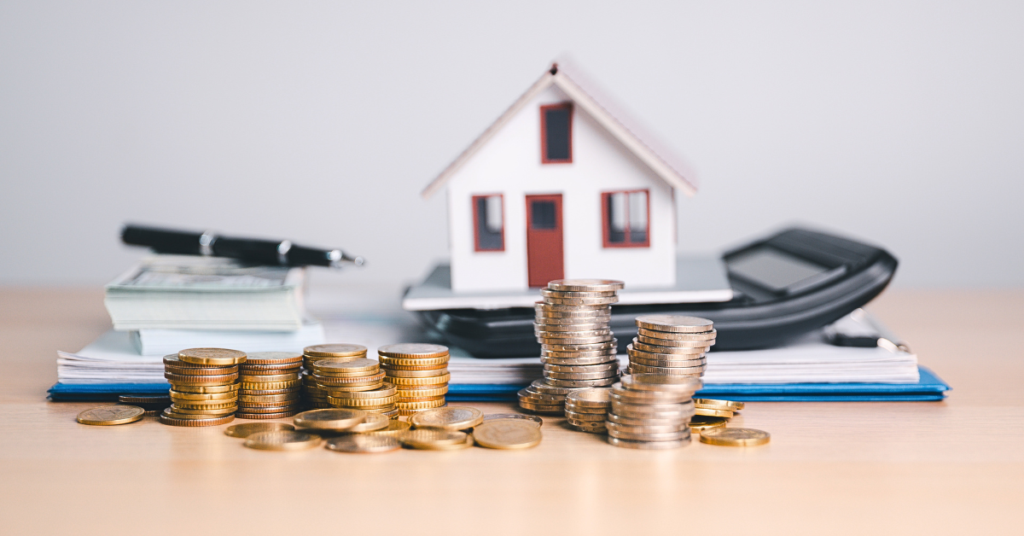
New data from the Federal Reserve Bank of New York showed Tuesday that Americans went at least 30 days late on their mortgage payments in the second quarter of this year than in any quarter since 2015.
More Americans are also making late payments on their car payments.
The data shows Americans were 90 days late or more on their car payments during the same time period than at any quarter since 2010.
New York Fed researchers noted that overall delinquency rates are elevated from where they were pre-pandemic, but that they’re holding fairly stable and not deteriorating to where they were during the Great Financial Crisis or its immediate aftermath.
“You really do have a lot of people who are doing just fine and spending because they feel good, and they’re secure in their jobs,” Matt Schulz, consumer finance analyst for LendingTree, told CNN.
“But then you have an awful lot of people who are really struggling and really nervous because of high prices and a challenging job market.”
And for the first time ever, Gen Z and Millennials are now choosing stocks over houses due to the high cost-of-entry to own a home.
Financial Pressures Attributes to Auto Loan Delinquencies
Auto Loan Delinquencies are on the rise. Americans are making late car payments.
Financial pressures are making it difficult for American to make on time payments on their cars.
“It’s no surprise that auto loan delinquencies are creeping higher, but it is still concerning,” Schulz said.
“People generally don’t stop paying their auto loan until they’re under real financial pressure. For many Americans, their car is what gets them to work and keeps their daily lives moving.”
Shifts in career roles, work-life balance goals, evolving industries, and of course rising cost-of-living, all play a major role in how Americans react to the current US economy.
Growing inflation, taxes, slow hiring, and the growth of AI are eating away at worker’s paychecks.
Today, you need multiple incomes in a household to get by, especially in priced-out areas such as California and New York.
New York Fed researchers said Tuesday that the latest quarterly data “still reflects this K-shaped economy” where outcomes of higher-wealth individuals diverge greatly from lower-wealth Americans.
A K-shaped economy is a situation where different parts of society move in opposite directions at the same time.
When drawn on a graph, the paths look like the arms of the letter K.
One group goes up and thrives, while another group goes down and struggles
Low and middle-income households are falling further behind as the richest Americans continue to grow.
“There are a lot of households who live paycheck to paycheck, and it just needs like one thing to happen to them that could lead to a delinquency,” Fed researchers said.
Mortgage Delinquencies Data
Mortgage Delinquencies – Fed Report shows people went at least 30 days late on their mortgage payment.
A greater share of people went at least 30 days late on their mortgage payments in the second quarter of this year than in any quarter since 2015, according to the New York Fed’s latest Quarterly Report on Household Debt and Credit.
Despite people paying their mortgage late, this data does not tell the full complete story.
“New York Fed researchers noted that overall delinquency rates are elevated from where they were pre-pandemic, but that they’re holding fairly stable and not deteriorating to where they were during the Great Financial Crisis or its immediate aftermath,” reported CNN.
When facing financial strain, Americans typically prioritize basic living expenses and immediate survival needs such as groceries over mortgage payments.
Utilities and medical care also take priority over mortgage payments, leading to mortgage delinquencies.
Outside of mortgages, most balances increased across the major credit categories of home equity, student, auto, credit card and personal.
While auto and mortgage delinquencies may be rising, perhaps a new economic trend, the US economy remains strong.
Ultimately, Americans are identifying that to survive today’s economic conditions, one must raise their income or continue to face financial pressures.
Frank Nez is an American entrepreneur, journalist, writer, and investor. Frank's work has been cited by SEC and Congressional reports. Franknez.com is a personal finance and market news publication, dedicated to publishing content on money, investing, entrepreneurship, and retail investor news.