There Is Now A Call For President Trump To Ban Naked Short Selling

On June 9, 2025, Newsmax published an article by Dennis Kneale titled “Trump Can Help Investors by Banning ‘Naked Shorts,'” which argues for a decisive executive action by President Donald Trump to curb naked short selling—a practice that destabilizes the financial markets and harms retail investors.
Today we’re going over the key points of Kneale’s argument, the mechanics and impact of naked short selling, and why banning it could be a significant policy priority for the Trump administration in 2025.
By addressing this issue, the administration could bolster investor confidence, stabilize markets, and align with its broader economic agenda of fairness and transparency.
Understanding Naked Short Selling
Naked short selling occurs when traders sell shares of a company they do not own and have not borrowed, betting that the stock price will fall before they need to deliver the shares.
Unlike traditional short selling, where shares are borrowed before being sold, naked short selling involves selling “phantom” shares that may not exist in the company’s float.
This practice can artificially inflate the supply of shares, driving down stock prices and cause significant market distortions.
Kneale highlights historical examples of naked short selling’s destructive impact, noting its role in the collapse of major financial institutions like Bear Stearns and Lehman Brothers during the 2008 financial crisis.
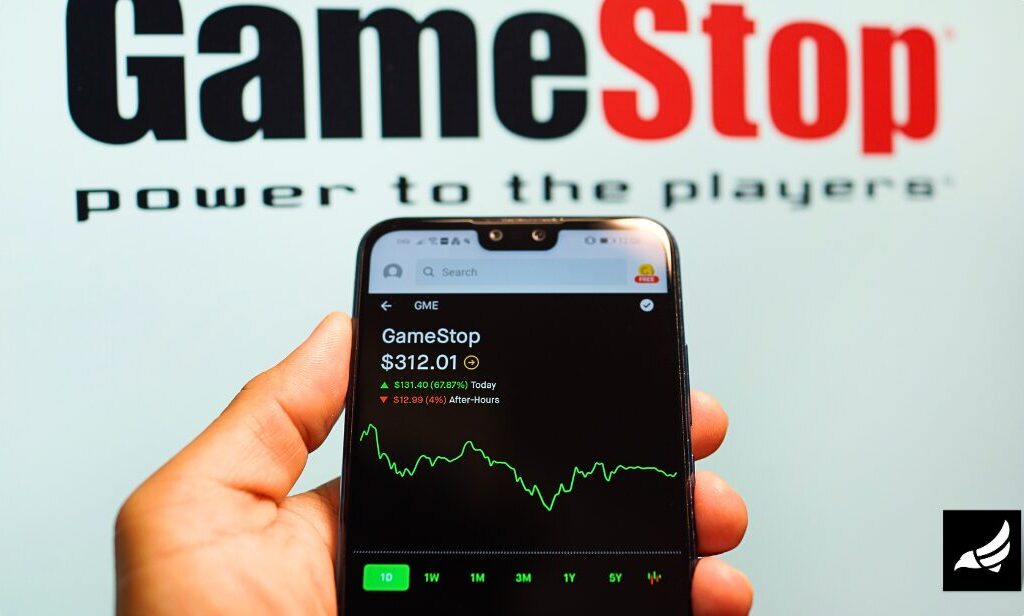
More recently, the practice has been linked to crashes in stocks like GameStop and AMC Entertainment, where retail investors faced significant losses amid aggressive short-selling campaigns.
The truth is naked short selling undermines market integrity, erodes investor trust, and disproportionately harms smaller companies and retail investors.
The Case for a Ban
Kneale’s central argument is that President Trump could issue an executive order to ban naked short selling, a move that would resonate with his administration’s focus on protecting American investors and promoting economic fairness.
A ban would essentially protect retail investors, stabilize the financial markets, curb market manipulation, and certainly boost investor confidence.
Naked short selling often targets smaller companies or those with volatile stock prices, such as meme stocks.
By flooding the market with phantom shares, short sellers can manipulate prices downward, wiping out retail investors’ holdings.
A ban would level the playing field, ensuring that retail investors—many of whom are Trump supporters—are not unfairly disadvantaged.
The artificial supply created by naked short selling can crash the markets, as seen in the 2008 crisis and the 2021 GameStop saga.
By eliminating this practice, the Trump administration could reduce systemic risks and promote market stability, a key concern as global economic uncertainties persist in 2025.
Naked short selling is often criticized as a tool for market manipulation, allowing powerful hedge funds and market makers to profit at the expense of smaller investors.
Kneale argues that banning it would send a strong message against predatory financial practices, aligning with Trump’s populist rhetoric against Wall Street elites.
By taking decisive action against naked short selling, the Trump administration could restore trust in the financial system, encouraging broader participation in the stock market.
This is particularly relevant given the surge in retail investing since 2020, driven by platforms like Robinhood and increased public interest in markets.
In 2024, Truth Social scrutinized Ken Griffin for naked short selling the market stating, “Rather than support our common sense efforts to promote transparency and compliance, Citadel Securities bizarrely targeted our CEO with an unhinged attack.
Here’s our response:
“Citadel Securities, a corporate behemoth that has been fined and censured for an incredibly wide range of offenses including issues related to naked short selling, and is world famous for screwing over everyday retail investors at the behest of other corporations, is the last company on earth that should lecture anyone on ‘integrity.’”
Also Read: A Wall Street Fund Founder Now Files An Unexpected Bankruptcy
Why This Matters for the Trump Administration
Banning naked short selling aligns with several key priorities of the Trump administration in 2025, making it a potentially impactful policy move.
For example, Trump’s political platform has consistently emphasized protecting the “little guy” against powerful institutions.
Naked short selling, often associated with hedge funds like Citadel Advisors, is seen by many retail investors as a symbol of Wall Street’s excesses.
A ban would resonate with Trump’s base, particularly those active in online communities like Reddit’s WallStreetBets, who have long criticized naked short selling.
The Trump administration has signaled a commitment to reducing regulatory burdens while ensuring fair markets, though action here is key.
Naked short selling, which exploits regulatory loopholes, undermines this goal.
An executive order banning the practice would demonstrate a proactive stance on market integrity without imposing excessive red tape.
Also Read: A New System Meant To Detect Illegal Short Selling Now Uncovers Two Cases
Challenges and Counterarguments
While these points are compelling, implementing a ban on naked short selling does have significant challenges.
Particularly in the regulation side.
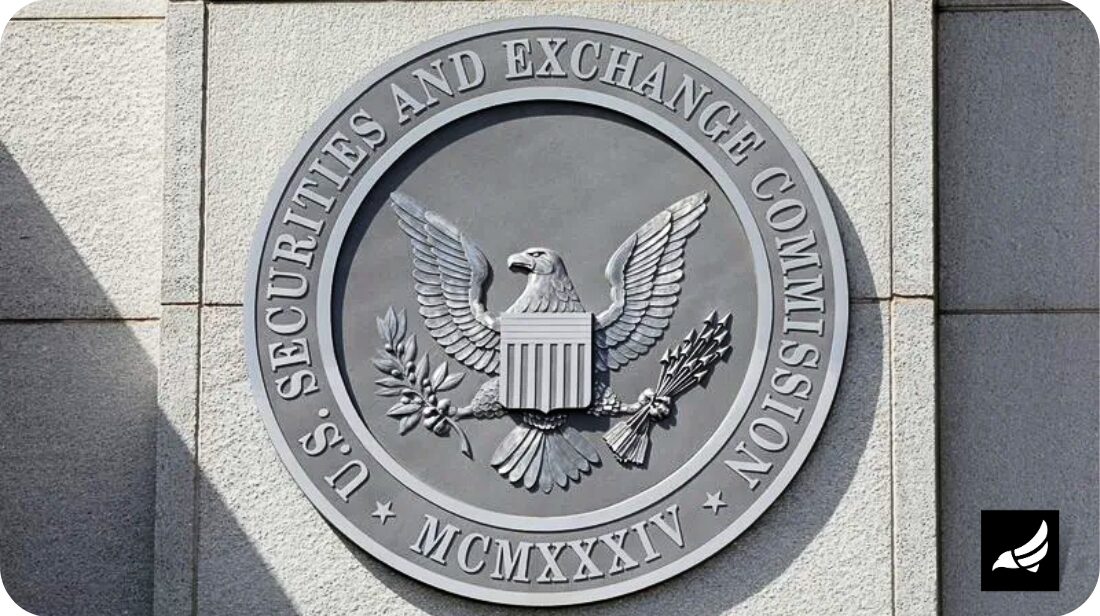
Naked short selling is regulated by the Securities and Exchange Commission (SEC), and a blanket ban via executive order could face legal and logistical hurdles.
The SEC’s Regulation SHO, introduced in 2005, already imposes restrictions on naked short selling, but enforcement has been criticized as inadequate.
A ban would require robust coordination with the SEC and potentially new legislation to close existing loopholes.
Powerful financial institutions, including hedge funds and market makers, benefit from short-selling strategies.
Firms like Citadel Securities, which has faced scrutiny for its role in short selling, could lobby against a ban, creating political and economic pressure.
However, the rise of retail investing, fueled by social media and trading platforms, has reshaped markets, as seen prominently with the MMTLP case.
By addressing naked short selling, the Trump administration could galvanize this demographic, reinforcing its commitment to economic empowerment.
By taking on naked short selling, the administration could score a significant political and economic victory, particularly among its base of retail investors and conservative supporters.
While the path to implementation is complex, the potential benefits—greater market stability, and enhanced investor confidence—make this a policy worth prioritizing in 2025.
As Kneale suggests, a bold executive order could cement Trump’s legacy as a champion of the everyday investor, reshaping the financial landscape for years to come.
Back to Daily Market News.
Follow Frank Nez on X or Facebook for more community insights.
Announcement: PR Newswire formally announces Frank Nez’s Journalist Verification on Muck Rack, solidifying our position in independent media.